Knowledge assistants · 6 min read · October 2026
RAG versus a normal chatbot for company knowledge
A general chatbot answers from what it learned in training. A knowledge assistant answers from your own documents. That difference decides whether your team can trust what it says.
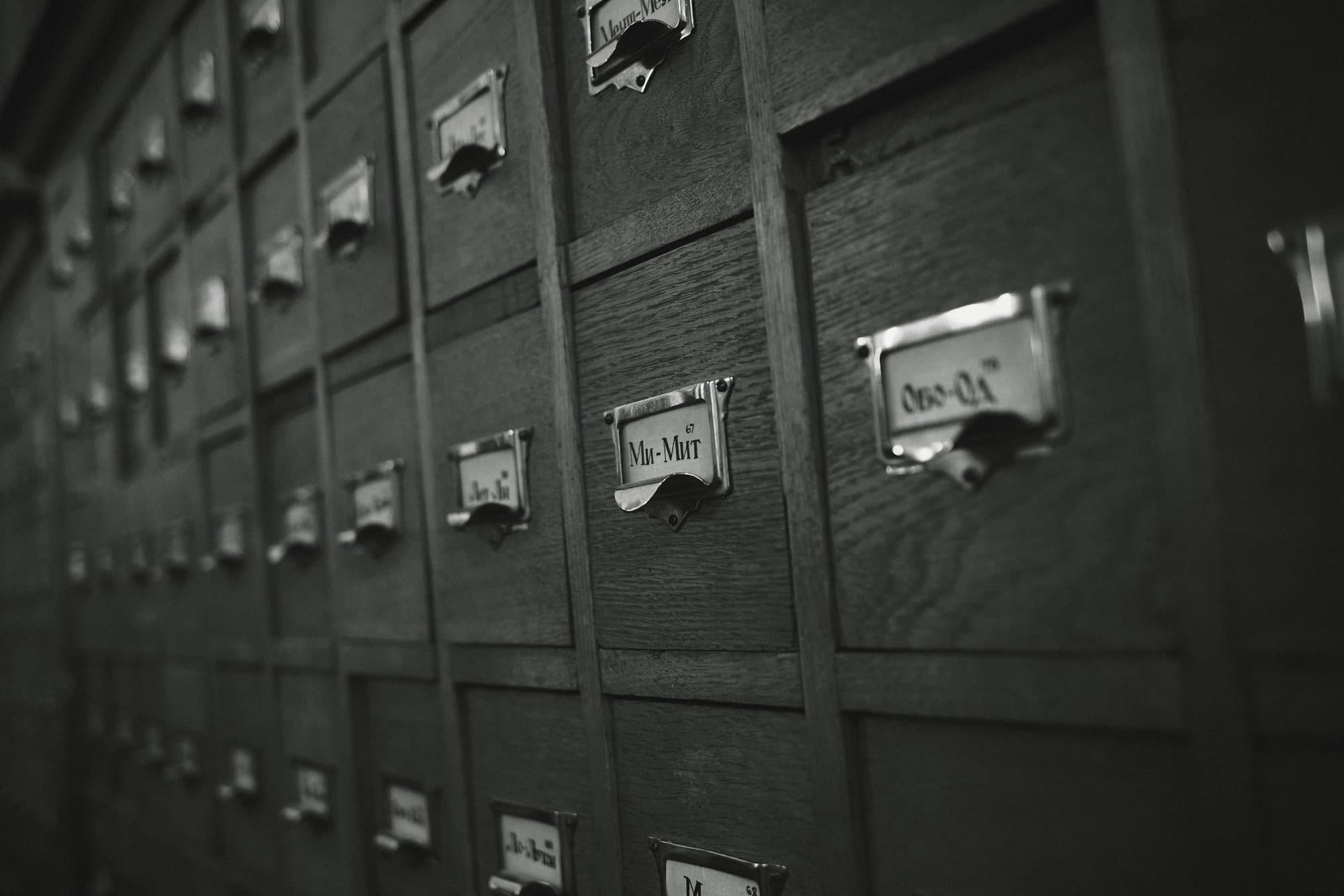
Answer from the source.
A normal chatbot does not know your business
A general-purpose chatbot was trained on public text. It can explain how a purchase order works in general, but it has never seen your returns policy, your supplier terms or last quarter’s project notes. Asked about them, it may still answer fluently, and that confidence is the problem.
Retrieval-augmented generation, in plain terms
Retrieval-augmented generation, usually shortened to RAG, adds a step before the answer. The system first searches your documents for the passages that look relevant, hands those passages to the model, and asks it to answer from them, with a pointer back to each source. The idea was described in a 2020 research paper by Lewis and colleagues; what matters for a business is the practical result, which is an answer you can check.
The hard part is not the AI
The difficult work is permissions and data quality. An assistant should not retrieve a confidential HR document just because its wording matches a question, so retrieval has to respect who is asking. And it can only be as good as the documents behind it: if two policies contradict each other, the assistant will find both.
How to judge one
Ask four questions. Does every answer link to its source? Does it respect existing access permissions? What does it say when the answer is not in the documents? And how do wrong answers get reported and fixed? A good assistant says “I can’t find that” and shows you where it looked.
Takeaway
Judge a knowledge assistant by whether it shows its sources, respects permissions and admits when it does not know.
Sources